


130, Suyeonggangbyeon-daero,
Haeundae-gu, Busan, Republic of Korea,
48058
-

- DATABASE
- People
People
DATABASE
SEONWOO Yong-nyeo
Actress
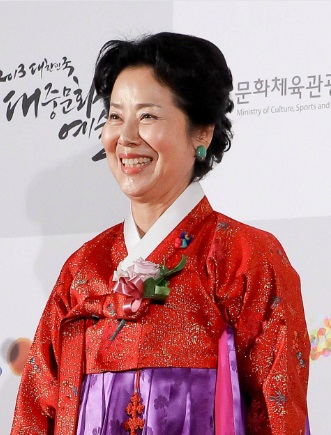
Born JUNG Yong-nye in 1945, SEONWOO Yong-nyeo studied ballet during her teenage years but a film adaptation of Swan Lake convinced her to pursue a career as a diplomat. Having not been accepted to a school in that field, she followed her sister’s advice and applied to the Seorabol Art College (now Chung-Ang University). She was still in her first year at the Theater and Film College of Chung-Ang University when she passed an open recruitment held in 1965 by TV network TBC ...More
| Gender | Female | Nationality | South Korea |
|---|---|---|---|
| Company | - | Website | - |
-
SHARE




-
SUBSCRIBE

-
WEBZINE


Subscribe to our newsletter
Get the latest Korean movie news.
Your email address will be collected and used exclusively to deliver our newsletter.
- KOFIC will collect the e-mail address of the subscribers for the purpose of the newsletter delivery and will keep the e-mail information until the subscriber cancels the subscription. The user has right to DENY the collection of the e-mail address data, but in this case the user cannot subscribe to the KOFIC Newsletter.